

The Outage Problem Most Homeowners Ignore Until It’s Too Late
You usually do not think about backup power when the weather is calm. You think about it when the lights go out. That is when the house gets quiet. The AC shuts off. The refrigerator stops humming. Phones start losing battery. The Wi-Fi drops. Everyone starts asking the same question:
“How long is this going to last?” In Texas, that question matters. A short outage is annoying. A long outage can become expensive, stressful, and unsafe. During storm season or extreme heat, your home can go from comfortable to miserable very quickly. If you have young kids, older family members, pets, medical equipment, or food stored in the refrigerator and freezer, losing power is not just inconvenient.
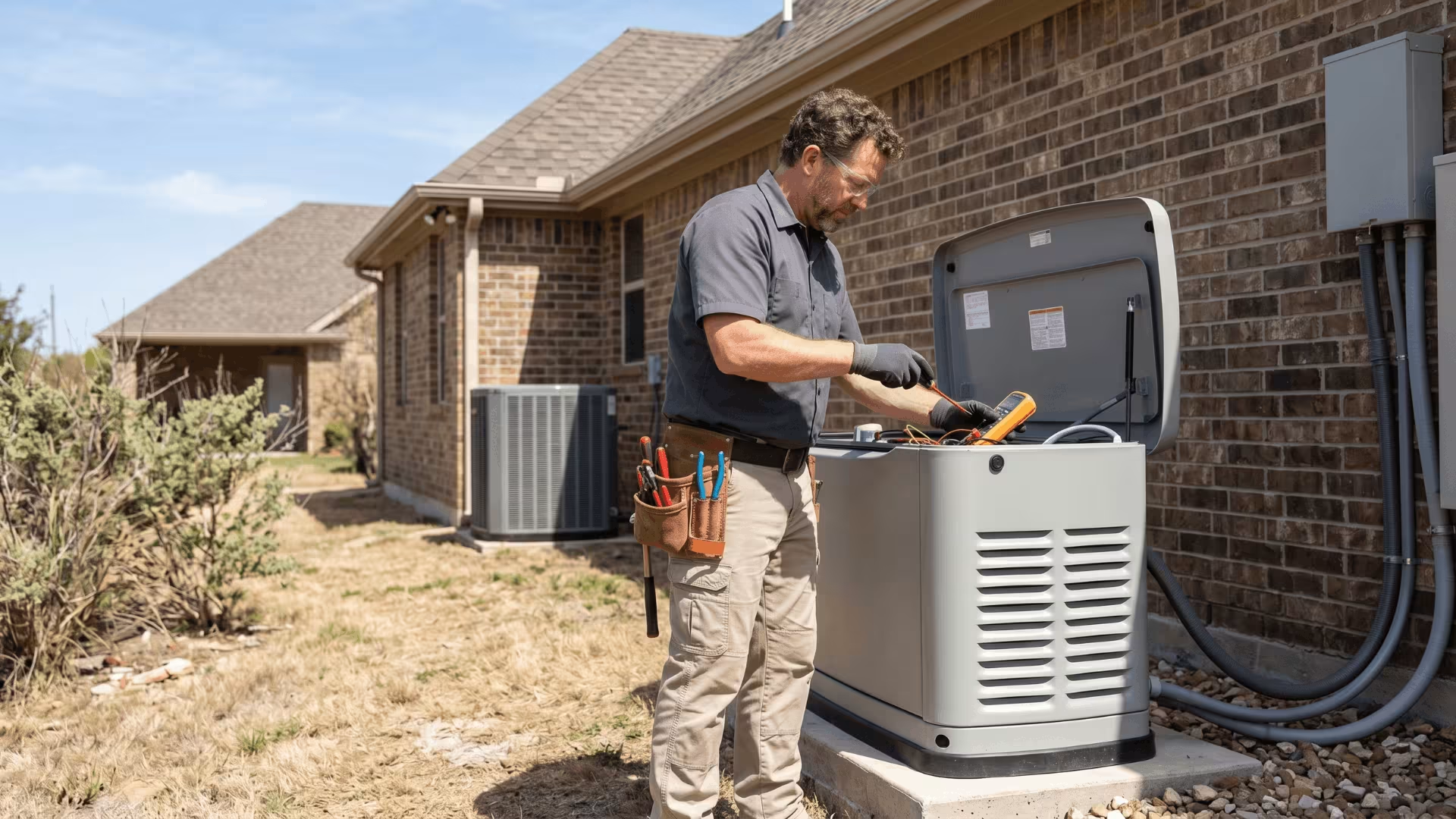
It affects your daily life. That is why more Texas homeowners are looking at whole-home generator installation as part of their home protection plan. Not as a luxury. Not as a “maybe one day” upgrade. But as a practical way to keep the home running when the grid does not.
At Air National, we believe the best time to prepare is before the storm is on the radar.
What Actually Happens When Your Home Loses Power
Most people think a power outage means no lights. But the real problem is bigger than that. Your air conditioning stops. In Texas heat, that can make your home uncomfortable fast. Humidity rises. Rooms feel heavy. Sleeping becomes harder. If the outage happens during the day, indoor temperatures can climb quickly.
Your refrigerator and freezer stop protecting your food. After a long outage, you may be throwing away groceries, meat, frozen meals, medication, or baby supplies. Your home office may stop working. Your security system may lose power. Your garage door opener may not work. Your internet may go down. If someone in your home relies on powered medical equipment, the situation becomes even more serious.
That is the hidden risk. Your home depends on electricity for comfort, safety, communication, food protection, and air circulation. When power stops, many of the systems you rely on stop with it. A professionally installed whole-home generator gives your home a backup plan.
Depending on the size and setup, it can help keep essential systems running, including air conditioning, refrigeration, lights, outlets, internet equipment, and other key appliances. That means less scrambling. Less uncertainty. Less waiting in a hot house hoping the power comes back soon.
Why Waiting Until the Next Storm Costs More
Many homeowners wait until after a bad outage to think about a generator. By then, the problem is already real. The house is hot. Food may be spoiled. Everyone is uncomfortable. Contractors are busy. Generator demand is high. Installation schedules may be backed up. And now you are trying to make a major home decision while stressed. That is the reactive way.
Reactive homeowners wait for the breakdown, outage, or emergency. Then they pay more attention because they have no choice.
Proactive homeowners plan before the problem hits. They look at their home’s power needs. They ask what needs to stay running. They schedule professional generator installation before storm season. They protect the home before the next outage. That is a much better position to be in.
It is the same philosophy behind America’s Smart Homes and Businesses and Air National: WE FIND THE PROBLEM BEFORE YOU FEEL THE PROBLEM.
With generators, the problem is not just the outage. The real problem is being unprepared for the outage. A whole-home generator helps you stay ahead of that moment.
Portable Generator vs. Whole-Home Generator
Portable generators can help in some situations, but they are not the same as a whole-home standby generator. A portable unit usually requires manual setup. You need fuel. You need to place it safely outside. You may need extension cords. You have to decide what gets powered and what does not. It can be useful, but it still puts a lot of work on the homeowner during an already stressful situation.
A whole-home generator is different. It is installed as part of your home’s power system. It is designed to provide backup power when your home needs it. It can support more of the systems that matter most, depending on the generator size and installation plan.
That is why professional installation matters. Your home needs the right generator size. The wiring needs to be done correctly. The transfer switch needs to be properly installed. Fuel source, placement, safety, load requirements, and local codes all matter.
This is not a guesswork project. When Air National helps with generator installation, the goal is not just to install equipment. The goal is to help your home stay safer, more comfortable, and more reliable when storms or outages hit.
Smart Home Protection Is the New Standard
Home comfort is changing. It is no longer just about repairing an AC unit when it breaks or installing a generator after a bad storm. Smart homeowners are starting to look at the entire home as one connected system.
Your HVAC system keeps the home cool. Your indoor air quality system helps your family breathe cleaner air. Your generator keeps important systems running during outages. Smart maintenance and monitoring help spot problems earlier.
Together, those systems create stronger home protection. Think of it like a check engine light for your home. In your car, you do not want to find out there is a serious issue when you are stuck on the side of the road. You want a warning before the problem gets worse.
Your home should work the same way. With smart sensors, AI monitoring, and proactive maintenance, Air National can help homeowners pay closer attention to system performance. That may include airflow issues, abnormal runtimes, efficiency drops, water concerns, and other warning signs.
When small problems are caught early, homeowners can avoid bigger surprises later. That is the difference between old-fashioned home service and smarter home protection.
The Full Protection System Your Home Needs
A generator is powerful on its own. But it becomes even more valuable when it is part of a full home protection plan. Your HVAC system protects comfort. In Texas, that matters every day. A well-maintained cooling system helps your home stay comfortable, efficient, and ready for heavy use.
Your indoor air quality protects health. Duct cleaning, better filtration, air purification, and humidity control can help reduce dust, allergens, pollutants, and mold concerns inside the home. Your generator protects reliability. When storms or grid problems cause outages, backup power can help keep the systems you depend on running.
Your maintenance plan protects consistency. Regular service and smart monitoring help prevent small issues from turning into expensive emergencies. This is the bigger picture. You are not just buying a generator. You are protecting your comfort, your food, your air, your safety, and your ability to keep life moving during bad weather.
Real-Life Examples Texas Homeowners Understand
A storm hits at night. The neighborhood loses power. Without a generator, the AC shuts off, the house gets hot, and nobody sleeps well. With a whole-home generator, the lights stay on, the AC keeps running, and your family stays comfortable.
A homeowner leaves town for the weekend. A power outage hits while they are gone. Without backup power, the refrigerator and freezer may be a mess when they return. With a generator, the home has protection even when no one is there.
A family has an older parent living in the home. The power goes out during extreme heat. Backup power is not just convenient in that situation. It can help protect health and safety.
These are the moments that make homeowners wish they had prepared sooner.
What Homeowners Should Do Before the Next Outage
Start by asking one simple question: “What do I need to keep running if the power goes out?” For some homeowners, the answer is air conditioning, refrigeration, lights, and outlets. For others, it may include medical equipment, a home office, security systems, or more appliances.
Next, schedule a professional generator consultation. A trained technician can help determine the right size and setup for your home. You should also inspect your HVAC system before peak heat and storm season. If your AC is already struggling, weak airflow, rising energy bills, strange sounds, or frequent repairs may be warning signs.
Change your filters regularly. Keep outdoor HVAC equipment clear. Pay attention to hot rooms, humidity, and comfort changes. And most importantly, stop waiting for emergencies to make decisions. The best time to protect your home is while everything is still working.
Protect Your Home Before the Next Storm
Texas weather is unpredictable. Your home protection should not be. A whole-home generator helps keep your home powered, your AC running, your food protected, and your family more comfortable during outages. When paired with smart maintenance, HVAC care, and indoor air quality solutions, it becomes part of a stronger, smarter home system.
Air National is here to help you prepare before the next storm, not after the damage is done. For expert whole-home generator installation and smarter home comfort solutions, contact Air National today at 281-251-3143. Stop waiting for the next outage to find out your home is not ready. Call Air National and protect your home before the storm.
